Ryokan etiquette: what to expect on your first stay
A ryokan stay is one of the most distinctive experiences Japan offers, and also one of the most misunderstood by first-time visitors. The etiquette is not complicated, but it is specific, and arriving without any preparation can make the first few hours feel uncertain. This guide covers the things that matter most.
Arrival and the genkan
The genkan is the entrance step where you remove your shoes before entering the ryokan. This is not optional and it is not a suggestion. Shoes stay at the genkan. Most ryokan provide slippers for indoor use, and a separate pair of wooden sandals (geta) for walking to the onsen or the garden. The slippers do not go into the tatami rooms; you leave them at the door.
Staff will usually greet you at the entrance and guide you to a waiting area where tea and a small sweet are served while the paperwork is completed. This is a good moment to mention any dietary needs or room requests if you have not already done so in advance.
The yukata and what to do with it
Every ryokan provides a yukata. A light cotton robe. For guests to wear throughout the stay. You wear it to dinner, to the onsen, and to breakfast. In most onsen towns, it is also acceptable to wear it while walking between the ryokan and the public bathhouses, which is part of what gives these towns their particular atmosphere.
The yukata wraps left side over right. Right over left is associated with funeral dress in Japan, so it is worth getting this right. Staff will usually show you if you ask, and asking is entirely normal.
Onsen rules
The main rules at a Japanese onsen are consistent across almost every facility: wash thoroughly at the shower stations before entering the bath, do not bring a towel into the water, and keep your voice low. Tattoos are still prohibited at many traditional onsen, though this is changing slowly.
The water is hot. Typically between 40 and 43 degrees Celsius. If you have cardiovascular concerns, it is worth spending no more than ten minutes in the bath at a time and sitting on the edge to cool down between soaks. Most onsen have a cooler pool as well, which is worth using.
Meals
Kaiseki dinner is served at a set time, usually between 6pm and 7pm, and breakfast between 7:30am and 8:30am. If you need to eat earlier or later for health reasons, mention this when booking. Most ryokan will accommodate a one-hour adjustment without difficulty.
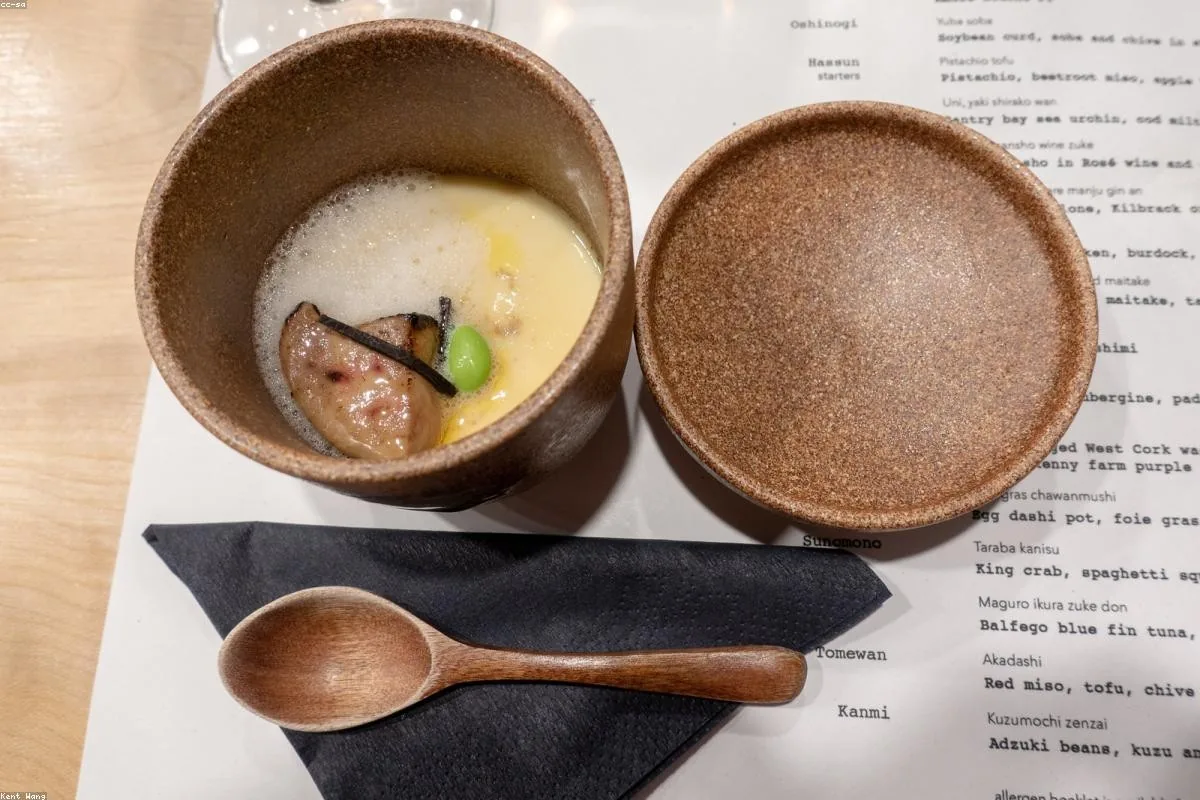
The portions in a kaiseki meal are many and small rather than few and large. It is entirely acceptable to leave dishes you cannot finish. The staff will not be offended.
Most of the etiquette at a ryokan is simply about being considerate of other guests and of the space. If you are unsure about anything during your stay, ask the staff. They are used to the question and will answer without making you feel awkward about it.